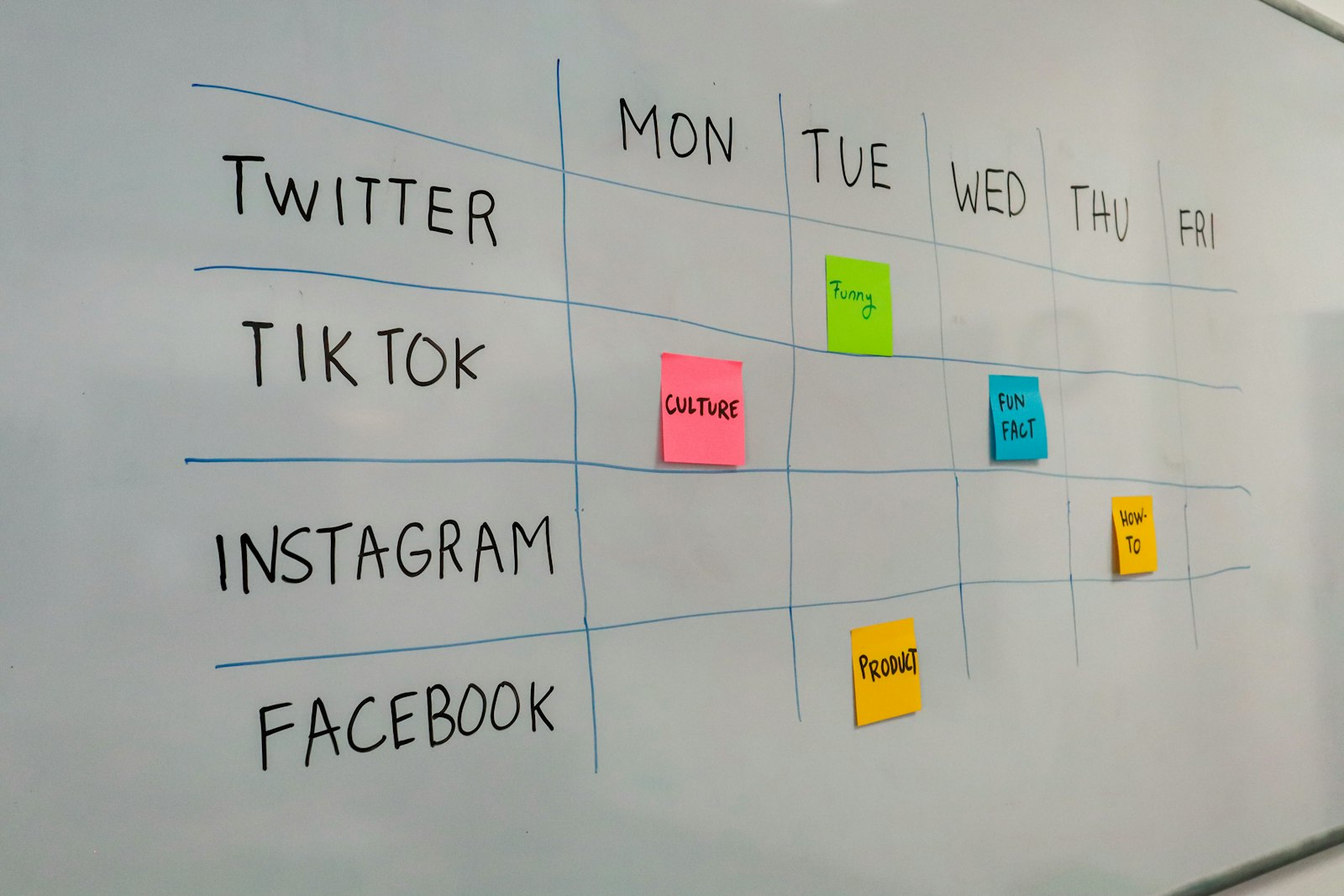
A social media marketing strategy that starts with “we should post more” almost never survives contact with a results review. The strategies that hold up start from the business outcome and work backward to the platform, not the other way round.
Start With the Outcome, Not the Platform
Before picking a platform, decide what a win actually looks like — leads, direct sales, brand awareness ahead of a launch, or community around an existing customer base. Each of those points toward a different mix of organic and paid, and a different definition of success, which is why copying a competitor’s channel mix without knowing their goal rarely works.
Picking the Right Platforms for Your Audience
Meta and LinkedIn cover most reach-driven goals; Reddit, Quora and Telegram reach smaller, higher-intent communities at a lower cost, provided the creative respects how each platform actually behaves. Our social media advertising guide goes deeper on how those platforms differ.
What a strategy actually looks like, platform by platform
- Meta (Facebook & Instagram). Strongest for broad-reach awareness and retargeting people who already visited your site. Creative fatigues fastest here of any platform, so a strategy without a refresh cadence quietly stops working within weeks.
- LinkedIn. The highest cost per click of the mainstream platforms, but the only one where targeting by job title and company size is genuinely reliable — worth it for B2B, rarely worth it for consumer brands.
- Reddit. Community-driven and allergic to anything that reads like an ad. A strategy here has to lead with genuine participation and useful answers, not campaign creative repurposed from other channels.
- Telegram & niche community platforms. Lower volume but often the highest-intent audience available, especially for categories with active dedicated communities. Rarely worth paid spend; almost always worth organic presence.
Organic vs Paid: What Each One Is Actually For
Organic social builds relationship and proof over time — it rarely drives predictable volume on its own for a growing business. Paid social buys reach and lets you target specific audiences with tested creative. Treating the two as separate budgets with separate goals, rather than expecting organic posting to substitute for paid reach, is where most strategies go wrong.
Building a Content and Testing Cadence
- Test message angles on a small budget before committing to full production.
- Produce multiple creative formats per angle — video, static, carousel — since performance varies by placement.
- Refresh creative on a schedule; social audiences fatigue faster than search audiences.
- Separate brand-awareness content from direct-response content, and measure each differently.
A simple framework for building the strategy document itself
A social strategy doesn’t need to be a long document to be useful — it needs to answer five questions clearly enough that someone else on the team could execute it without you in the room: What outcome are we optimizing for this quarter? Which one or two platforms actually reach that audience? What’s the organic-to-paid budget split, and why? Who owns creative production and on what cadence? And what number, specifically, tells us in thirty days whether this is working? A strategy that can’t answer that last question isn’t a strategy yet, it’s a content calendar.
Measuring What Matters
Engagement rate is a diagnostic, not a business outcome. The strategy should ultimately report back to cost per lead or cost per sale by platform, the same standard you would apply to any other channel, so decisions about where to spend the next dollar are based on results rather than which post felt the most successful.
Common mistakes that quietly sink a social strategy
- Vanity-metric reporting. A month-end report full of follower counts and likes with no line connecting back to leads or revenue tells leadership nothing they can act on, and is usually the first thing cut when budgets tighten.
- No creative refresh plan. The single most common reason paid social performance declines over a quarter isn’t targeting — it’s the same three ads shown to the same audience until they stop responding.
- Treating every platform the same. Repurposing one piece of creative unchanged across Meta, LinkedIn and Reddit ignores how differently each audience reads content, and it shows.
- No owner. A strategy without a named person responsible for posting cadence and response time degrades within a month, regardless of how good the plan looked on paper.
A 90-Day Plan to Put the Strategy Into Practice
- Days 1–15: foundations. Audit existing profiles and past results, define the audience and the single outcome for the quarter, set up tracking (pixels, UTM parameters, conversion events) and agree the reporting format.
- Days 16–45: test. Publish organic content on the chosen platforms at a sustainable cadence and run small paid tests of three to five message angles. Keep budgets modest; the aim is learning, not scale.
- Days 46–75: focus. Move budget to the angles and formats that produced leads or sales at an acceptable cost, pause the rest, and produce fresh creative based on what worked.
- Days 76–90: review. Compare cost per lead or sale by platform against other channels, document what was learned and set the next quarter’s outcome and budget.
B2B vs B2C Social Strategy
For B2B, social is usually a trust and nurture channel. LinkedIn carries most of the weight, founder and employee profiles often outperform the company page, and the content that works is practical expertise: how-tos, lessons from projects and clear points of view. Paid social is best used to reach named job titles and to retarget website visitors with case studies. For B2C, social is often a direct sales channel. Meta and short-form video dominate, creative volume matters more, and user-generated content and reviews do much of the persuading.
How to Set a Social Media Budget
Split the budget into three parts: production (people and tools to create content), paid reach (ad spend) and management (strategy, community management and reporting). For paid reach, work backwards from the outcome: estimate the cost per lead you can afford, multiply by the number of leads you need, and check that the result gives each ad set enough budget to learn. Our social advertising guide explains the minimums the ad algorithms need.
Content Pillars: What to Post About
Three to five content pillars keep a calendar focused and make production easier. A common mix for a service business is: expertise (how-tos and answers to customer questions), proof (results, reviews and case studies), behind the scenes (the team and how the work is done) and offers (clear calls to action, used sparingly). Rotate them so the feed is useful first and promotional second.
Researching Your Audience and Competitors
Good strategy starts with evidence rather than assumptions. Three sources are free and fast:
- Your customers. Ask recent customers which platforms they use, who they follow for advice in your field and what nearly stopped them buying. Ten short conversations are often more useful than a large survey.
- Your competitors. Review what they post, which formats get genuine comments rather than just likes, and which ads they are running. Meta’s Ad Library and LinkedIn’s ad transparency pages show competitors’ active ads publicly.
- Your own data. Website analytics shows which social platforms already send engaged visitors, and past posts show which topics earned saves, shares and enquiries.
Community Management and Response Time
Social is a two-way channel, and the replies matter as much as the posts. Set a response-time target for comments and messages, especially on paid ads where questions come from people close to buying. Prepare approved answers for common questions about pricing, delivery and process, and a clear route for complaints to reach someone who can resolve them. A quick, helpful public reply to a complaint often builds more trust than a month of polished content.
Working With Creators and Employees
People trust people more than brand accounts. Two ways to use that: employee advocacy, where founders and team members share their own expertise and the company’s work from personal profiles, and creator partnerships, where relevant creators review or demonstrate your product for their audience. Creator content can also be used as ad creative with permission, which often outperforms brand-produced ads. Any paid partnership must be clearly disclosed in line with the Advertising Standards Council of India’s influencer guidelines and each platform’s branded content rules.
Common questions about social media strategy
How often should we post? Less important than consistency and quality. A predictable, sustainable cadence you can actually maintain beats an ambitious schedule that collapses after three weeks.
Do we need to be on every platform? No — presence on a platform your audience doesn’t use is wasted production effort. Two platforms done well outperform five done thinly almost every time.
How long before social media marketing shows results? Paid social can show results within weeks since it’s reach you’re buying directly. Organic community-building realistically takes months, and works best treated as a long-term asset rather than a campaign with an end date.
If your social spend is not tying back to a number you can defend, get in touch and we will show you what that reporting should look like.