Category: Social Advertising

  • Social Media Marketing Strategy: A Step-by-Step Framework

    Social Media Marketing Strategy: A Step-by-Step Framework

    A social media marketing strategy that starts with “we should post more” almost never survives contact with a results review. The strategies that hold up start from the business outcome and work backward to the platform, not the other way round.

    Start With the Outcome, Not the Platform

    Before picking a platform, decide what a win actually looks like — leads, direct sales, brand awareness ahead of a launch, or community around an existing customer base. Each of those points toward a different mix of organic and paid, and a different definition of success, which is why copying a competitor’s channel mix without knowing their goal rarely works.

    Picking the Right Platforms for Your Audience

    Meta and LinkedIn cover most reach-driven goals; Reddit, Quora and Telegram reach smaller, higher-intent communities at a lower cost, provided the creative respects how each platform actually behaves. Our social media advertising guide goes deeper on how those platforms differ.

    What a strategy actually looks like, platform by platform

    • Meta (Facebook & Instagram). Strongest for broad-reach awareness and retargeting people who already visited your site. Creative fatigues fastest here of any platform, so a strategy without a refresh cadence quietly stops working within weeks.
    • LinkedIn. The highest cost per click of the mainstream platforms, but the only one where targeting by job title and company size is genuinely reliable — worth it for B2B, rarely worth it for consumer brands.
    • Reddit. Community-driven and allergic to anything that reads like an ad. A strategy here has to lead with genuine participation and useful answers, not campaign creative repurposed from other channels.
    • Telegram & niche community platforms. Lower volume but often the highest-intent audience available, especially for categories with active dedicated communities. Rarely worth paid spend; almost always worth organic presence.

    Organic vs Paid: What Each One Is Actually For

    Organic social builds relationship and proof over time — it rarely drives predictable volume on its own for a growing business. Paid social buys reach and lets you target specific audiences with tested creative. Treating the two as separate budgets with separate goals, rather than expecting organic posting to substitute for paid reach, is where most strategies go wrong.

    Building a Content and Testing Cadence

    • Test message angles on a small budget before committing to full production.
    • Produce multiple creative formats per angle — video, static, carousel — since performance varies by placement.
    • Refresh creative on a schedule; social audiences fatigue faster than search audiences.
    • Separate brand-awareness content from direct-response content, and measure each differently.

    A simple framework for building the strategy document itself

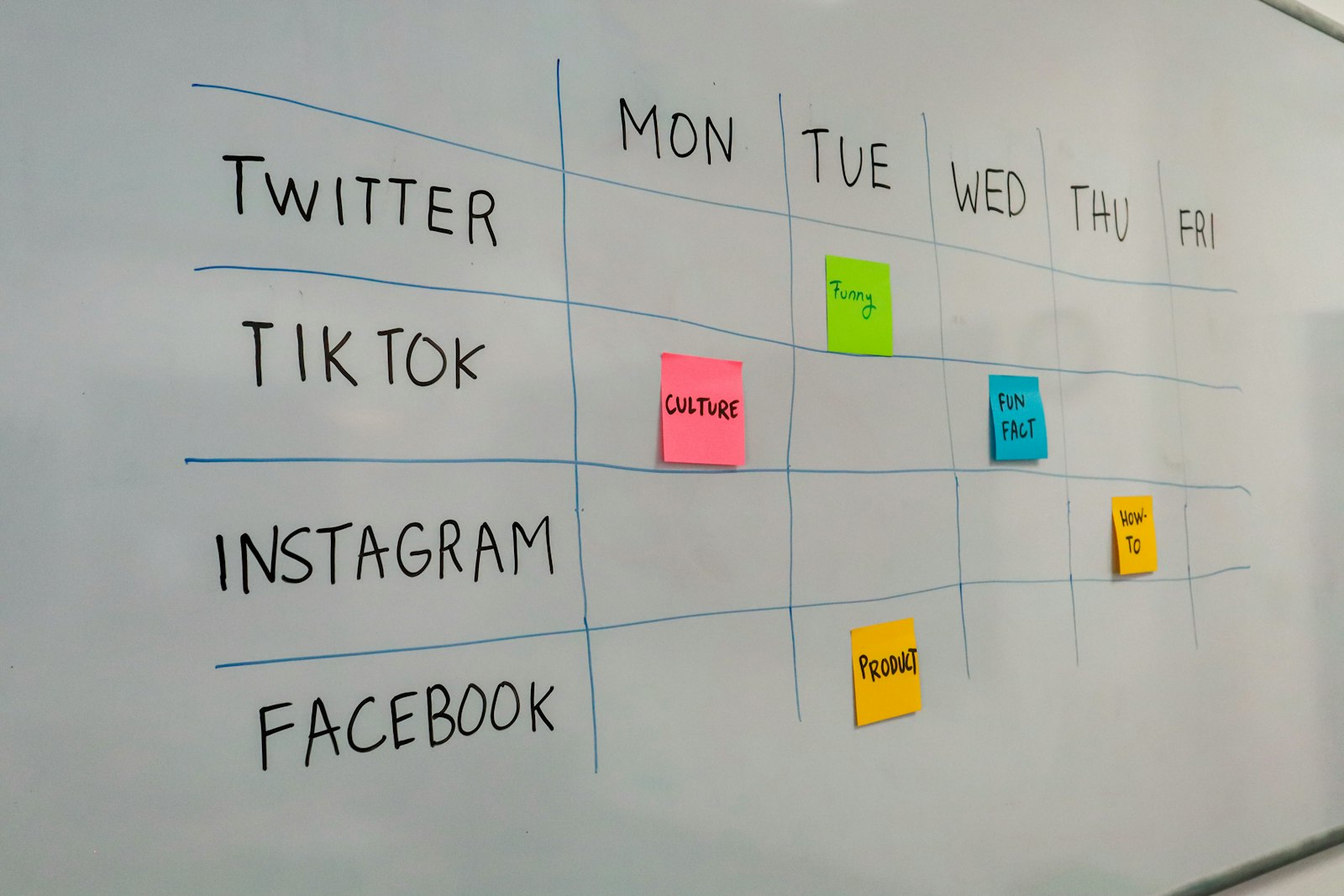
    A social strategy doesn’t need to be a long document to be useful — it needs to answer five questions clearly enough that someone else on the team could execute it without you in the room: What outcome are we optimizing for this quarter? Which one or two platforms actually reach that audience? What’s the organic-to-paid budget split, and why? Who owns creative production and on what cadence? And what number, specifically, tells us in thirty days whether this is working? A strategy that can’t answer that last question isn’t a strategy yet, it’s a content calendar.

    Measuring What Matters

    Engagement rate is a diagnostic, not a business outcome. The strategy should ultimately report back to cost per lead or cost per sale by platform, the same standard you would apply to any other channel, so decisions about where to spend the next dollar are based on results rather than which post felt the most successful.

    Common mistakes that quietly sink a social strategy

    • Vanity-metric reporting. A month-end report full of follower counts and likes with no line connecting back to leads or revenue tells leadership nothing they can act on, and is usually the first thing cut when budgets tighten.
    • No creative refresh plan. The single most common reason paid social performance declines over a quarter isn’t targeting — it’s the same three ads shown to the same audience until they stop responding.
    • Treating every platform the same. Repurposing one piece of creative unchanged across Meta, LinkedIn and Reddit ignores how differently each audience reads content, and it shows.
    • No owner. A strategy without a named person responsible for posting cadence and response time degrades within a month, regardless of how good the plan looked on paper.

    A 90-Day Plan to Put the Strategy Into Practice

    1. Days 1–15: foundations. Audit existing profiles and past results, define the audience and the single outcome for the quarter, set up tracking (pixels, UTM parameters, conversion events) and agree the reporting format.
    2. Days 16–45: test. Publish organic content on the chosen platforms at a sustainable cadence and run small paid tests of three to five message angles. Keep budgets modest; the aim is learning, not scale.
    3. Days 46–75: focus. Move budget to the angles and formats that produced leads or sales at an acceptable cost, pause the rest, and produce fresh creative based on what worked.
    4. Days 76–90: review. Compare cost per lead or sale by platform against other channels, document what was learned and set the next quarter’s outcome and budget.

    B2B vs B2C Social Strategy

    For B2B, social is usually a trust and nurture channel. LinkedIn carries most of the weight, founder and employee profiles often outperform the company page, and the content that works is practical expertise: how-tos, lessons from projects and clear points of view. Paid social is best used to reach named job titles and to retarget website visitors with case studies. For B2C, social is often a direct sales channel. Meta and short-form video dominate, creative volume matters more, and user-generated content and reviews do much of the persuading.

    How to Set a Social Media Budget

    Split the budget into three parts: production (people and tools to create content), paid reach (ad spend) and management (strategy, community management and reporting). For paid reach, work backwards from the outcome: estimate the cost per lead you can afford, multiply by the number of leads you need, and check that the result gives each ad set enough budget to learn. Our social advertising guide explains the minimums the ad algorithms need.

    Content Pillars: What to Post About

    Three to five content pillars keep a calendar focused and make production easier. A common mix for a service business is: expertise (how-tos and answers to customer questions), proof (results, reviews and case studies), behind the scenes (the team and how the work is done) and offers (clear calls to action, used sparingly). Rotate them so the feed is useful first and promotional second.

    Researching Your Audience and Competitors

    Good strategy starts with evidence rather than assumptions. Three sources are free and fast:

    • Your customers. Ask recent customers which platforms they use, who they follow for advice in your field and what nearly stopped them buying. Ten short conversations are often more useful than a large survey.
    • Your competitors. Review what they post, which formats get genuine comments rather than just likes, and which ads they are running. Meta’s Ad Library and LinkedIn’s ad transparency pages show competitors’ active ads publicly.
    • Your own data. Website analytics shows which social platforms already send engaged visitors, and past posts show which topics earned saves, shares and enquiries.

    Community Management and Response Time

    Social is a two-way channel, and the replies matter as much as the posts. Set a response-time target for comments and messages, especially on paid ads where questions come from people close to buying. Prepare approved answers for common questions about pricing, delivery and process, and a clear route for complaints to reach someone who can resolve them. A quick, helpful public reply to a complaint often builds more trust than a month of polished content.

    Working With Creators and Employees

    People trust people more than brand accounts. Two ways to use that: employee advocacy, where founders and team members share their own expertise and the company’s work from personal profiles, and creator partnerships, where relevant creators review or demonstrate your product for their audience. Creator content can also be used as ad creative with permission, which often outperforms brand-produced ads. Any paid partnership must be clearly disclosed in line with the Advertising Standards Council of India’s influencer guidelines and each platform’s branded content rules.

    Common questions about social media strategy

    How often should we post? Less important than consistency and quality. A predictable, sustainable cadence you can actually maintain beats an ambitious schedule that collapses after three weeks.

    Do we need to be on every platform? No — presence on a platform your audience doesn’t use is wasted production effort. Two platforms done well outperform five done thinly almost every time.

    How long before social media marketing shows results? Paid social can show results within weeks since it’s reach you’re buying directly. Organic community-building realistically takes months, and works best treated as a long-term asset rather than a campaign with an end date.

    If your social spend is not tying back to a number you can defend, get in touch and we will show you what that reporting should look like.

  • Facebook & Social Media Advertising: A Practical Guide for Growing Brands

    Facebook & Social Media Advertising: A Practical Guide for Growing Brands

    Social media advertising covers paid placements on Facebook, Instagram, LinkedIn and, increasingly, community platforms like Reddit and Quora. Done well, it is one of the fastest ways to put a new offer in front of a precisely defined audience. Done poorly, it is the fastest way to burn a budget on impressions that never become customers.

    This guide covers which platforms are worth paid spend, how the ad systems decide who sees your ads, how to structure and budget a first campaign, what creative works, and the mistakes that quietly waste money. For the organic side of social, see our social media marketing strategy framework.

    How Social Ads Differ From Search Ads

    Search ads capture demand that already exists: someone types a problem and you show up with the answer. Social ads create demand: you interrupt someone scrolling and give them a reason to care. That changes almost everything about how you run them. Social needs stronger creative, a clearer hook in the first second, and usually a longer path to conversion, with remarketing doing much of the closing.

    Which Platforms Are Worth Paid Spend

    PlatformBest forWatch out for
    Facebook & Instagram (Meta)Consumer brands, e-commerce, local services, lead generation at scaleCreative fatigues quickly; tracking needs the Conversions API to stay accurate
    LinkedInB2B, targeting by job title, industry and company sizeMuch higher cost per click; only pays off when deal sizes are large
    YouTubeExplaining a product, building awareness, remarketingNeeds video that earns attention in the first five seconds
    Reddit & QuoraNiche and technical audiences, research-stage buyersCommunities punish anything that reads like a hard sell

    Community and niche platforms, the ones most agencies ignore, can outperform the big two for specific audiences simply because far fewer advertisers are bidding up the price. Our social & community ads service covers all of them.

    How the Ad Algorithms Decide Who Sees Your Ads

    Modern social ad platforms do most of the targeting themselves. You tell them what outcome you want, such as a purchase or a lead, and they look for people likely to take that action. Your job is to give the algorithm three things: a clear conversion signal, enough budget to learn, and creative that tells it who the ad is for.

    That is why broad targeting with strong creative often beats tightly layered interest targeting today. The creative itself does the targeting: an ad that speaks directly to clinic owners will be shown to, and engaged with by, clinic owners.

    Structuring Your First Campaign

    1. Choose the right objective. Pick sales or leads if that is what you want. Traffic and engagement objectives deliver clicks and likes, not customers.
    2. Set up tracking first. Install the pixel and the server-side Conversions API so conversions are still recorded when browsers block cookies. See conversion tracking explained.
    3. Keep the structure simple. A few well-funded ad sets learn faster than many starved ones.
    4. Launch with several creatives. Three to five different angles, not five versions of the same image.
    5. Add remarketing. A separate campaign for people who visited the site or engaged with your content but did not convert.

    What Budget to Start With

    Enough to get meaningful data, not necessarily a large number. Meta’s delivery system needs roughly 50 optimisation events per ad set in a week to exit its learning phase. Work backwards: if you expect a lead to cost ₹500, one ad set needs about ₹25,000 a week to learn properly. If that is out of reach, optimise for an earlier step such as landing page views or add-to-cart, or consolidate into fewer ad sets.

    Below that level, the algorithm is guessing as much as you are, and results swing wildly from week to week.

    Creative That Works

    • Hook in the first second. Lead with the problem or the result, not your logo.
    • Design for sound off. Most feed video is watched muted, so use captions and on-screen text.
    • Native beats polished. Simple phone-shot video and real screenshots often outperform glossy studio work, because they look like the content around them.
    • Test angles, not colours. Price, speed, proof and pain point are different angles. Button colour is not.
    • Refresh regularly. When frequency climbs and click-through falls, the audience is tired of the ad.

    Measuring What Matters

    Judge social ads on cost per lead or sale and on return on ad spend, not on likes or reach. Remember that platform-reported conversions tend to over-credit the platform, especially with view-through attribution. Compare what Ads Manager reports against what your CRM or store actually recorded, and tie every campaign to the same tracking layer you use for other channels.

    Common Mistakes That Quietly Waste Spend

    • Targeting too narrowly, which starves the algorithm of data.
    • Boosting posts instead of running proper campaigns with a conversion objective.
    • Sending traffic to a generic homepage instead of a matched landing page.
    • Never refreshing creative, so costs rise as the audience tires.
    • Changing budgets or ads every day, which keeps resetting the learning phase.
    • Tracking clicks instead of real conversions, which hides what is actually working.

    Building a Full-Funnel Social Campaign

    Most people who see a social ad are not ready to buy on first contact. A single campaign asking cold audiences to purchase will usually struggle. A full-funnel setup gives each stage its own job:

    • Prospecting (cold audiences): broad or lookalike audiences shown your strongest hook, such as a problem-led video or a clear offer. The aim is attention and qualified site visits.
    • Consideration (warm audiences): people who watched most of a video, engaged with a post or visited a key page. Show them proof: case studies, reviews, demonstrations and comparisons.
    • Conversion (hot audiences): people who viewed pricing, started a form or added to cart. Show them a direct offer, answers to common objections and urgency where it is genuine.
    • Retention: existing customers, for repeat purchases, upgrades and referrals, often cheaper than finding new buyers.

    Budget usually leans heavily toward prospecting, because remarketing audiences are small and exhaust quickly. Exclude recent converters from prospecting and remarketing so you are not paying to show ads to people who have already bought.

    Landing Pages for Social Traffic

    Social visitors arrive in a different frame of mind from search visitors. They were interrupted, not searching, so they need faster context. A good landing page for social traffic repeats the ad’s promise in the headline, loads quickly on mobile (almost all social traffic is mobile), shows proof early, and keeps the form short. Instant forms inside Facebook, Instagram and LinkedIn remove the landing page altogether and often produce cheaper leads, but lead quality is usually lower, so add a qualifying question or two and follow up quickly.

    Testing Without Wasting Budget

    Test one variable at a time where you can: the angle first, then the format, then the details. Give each test enough budget and time to produce a meaningful number of conversions before judging it, and avoid editing live ads constantly, since each significant change can send an ad set back into the learning phase. Keep a simple log of what was tested, what won and by how much. Over a few months, that log becomes the most valuable asset in the account, because it tells you which messages your market responds to.

    Ad Policies and Account Health

    Every platform has advertising policies covering restricted categories such as finance, health, employment and housing, as well as rules on personal attributes, before-and-after claims and misleading language. Rejected ads and repeated violations can restrict or disable an ad account, which can stop all advertising overnight. Read the policies for your category before launching, keep claims specific and supportable, make sure landing pages match what the ad promises, and keep business verification up to date.

    When to Bring In Help

    Running a single Meta campaign yourself is very achievable. Specialist help earns its cost when you are running several platforms at once, when tracking needs server-side setup, when an account keeps getting ads rejected, or when you need a steady supply of new creative and cannot produce it in-house. A good partner should leave you with a clearer account structure, reliable tracking and a documented record of what has been learned, not just a monthly report.

    Frequently Asked Questions

    How much should I spend on Facebook ads to start?

    Enough for each ad set to reach around 50 conversions a week. Multiply your expected cost per conversion by 50 to get a weekly starting budget per ad set, or optimise for an earlier step if that is too high.

    Is boosting a post the same as running an ad?

    No. Boosting mostly buys engagement. A campaign built in Ads Manager with a sales or leads objective gives you proper optimisation, targeting and measurement.

    Are LinkedIn ads worth it?

    For B2B companies with high deal values, often yes, because the job-title targeting is unmatched. For low-value consumer products, the cost per click is usually too high to be profitable.

    How often should ad creative be changed?

    When performance data says so rather than on a fixed calendar. Rising frequency with falling click-through rate is the usual sign. Active accounts often introduce new creative every few weeks.

    Testing paid social for the first time, or trying to fix an account that has stopped performing? Talk to us.